


The cultural significance of gambling in various societies
Historical Perspectives on Gambling
The practice of gambling has existed for thousands of years, woven into the very fabric of numerous cultures across the globe. In ancient civilizations such as those in China, Egypt, and Greece, games of chance were not merely pastimes; they were integral parts of societal rituals and economic structures. Archaeological evidence suggests that even in 2000 BCE, people in China played rudimentary forms of gambling using dice made from bones, reflecting a profound connection between the activity and community bonding. If you’re looking to learn more about this vibrant aspect of culture, you can visit https://bpkfl.com/ for additional insights.
As societies evolved, so did the forms of gambling. In medieval Europe, gambling became associated with nobility, serving as a leisure activity among the wealthy elite. The advent of printed cards in the 15th century further popularized card games, allowing for the expansion of gambling culture. Today, the historical significance of gambling is still evident, as many modern games trace their roots back to these early iterations, highlighting a rich legacy that continues to influence contemporary practices.
Gambling as a Social Connector
In many cultures, gambling serves as a means of social interaction and community cohesion. Social gambling events often bring together families, friends, and even strangers, fostering relationships and creating a shared sense of experience. For instance, in various Native American tribes, gambling is a way to strengthen community ties and celebrate cultural heritage. Events such as bingo nights or traditional games are often organized, underscoring the role of gambling as a social glue. This highlights how the act of placing bets can deepen emotional connections.
Moreover, gambling can also break down social barriers. In urban settings, casinos often act as melting pots where individuals from diverse backgrounds come together, united by their shared interest in gaming. This phenomenon illustrates how gambling transcends economic and social divides, creating a space where people can engage with one another, share stories, and build relationships, further emphasizing its cultural significance.
The Psychological Appeal of Gambling
The allure of gambling extends beyond mere chance; it taps into deep-rooted psychological aspects of human behavior. The thrill of uncertainty and the potential for a life-changing win can create an exhilarating experience that many find irresistible. This psychological appeal is often reinforced by cultural narratives that celebrate the “underdog” story—those who win against all odds are frequently portrayed as heroes in folklore and media, driving a collective fascination with games of chance.

Additionally, the psychology of risk-taking plays a significant role in gambling’s cultural significance. The excitement of placing bets, whether in a high-stakes poker game or a casual lottery ticket purchase, engages individuals in a way that is both thrilling and profoundly personal. This dynamic reflects broader themes of aspiration and ambition, resonating with the human experience of seeking fortune and fulfillment.
Contemporary Gambling: A Global Perspective
In today’s world, gambling has evolved into a multi-billion dollar industry, reflecting its deep cultural roots while adapting to modern sensibilities. Online gambling has surged in popularity, providing access to games that were once limited to physical locations. This transition has not only reshaped the gambling landscape but has also influenced social behaviors and cultural norms surrounding the practice. Different countries have adopted varied regulatory approaches, reflecting their unique cultural attitudes toward gambling.
For example, in some societies, gambling is celebrated as a legitimate form of entertainment, while in others, it is viewed with skepticism or outright prohibition. This dichotomy highlights the complexity of gambling’s cultural significance, as it navigates the intersection of tradition, morality, and modernity. As global connectivity increases, the exchange of gambling practices and beliefs continues to shape cultural narratives, reinforcing the notion that gambling is not merely an individual activity but a cultural phenomenon with far-reaching implications. 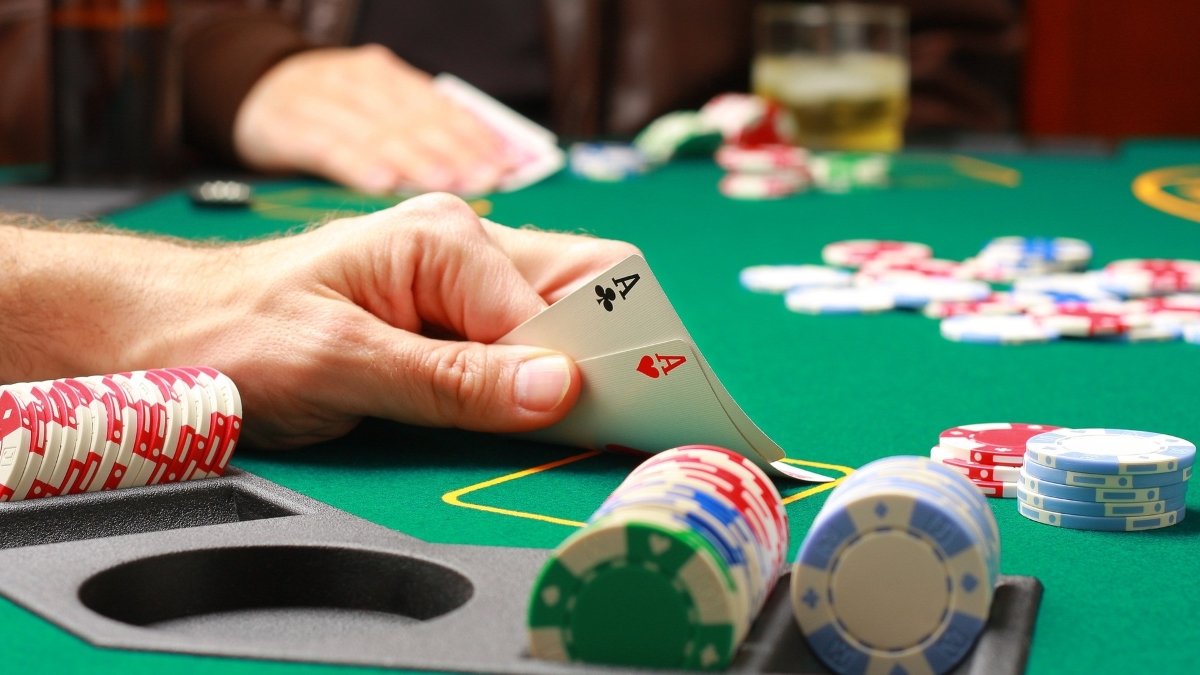
Understanding Gambling Through Media and Entertainment
The influence of gambling on modern culture is further amplified through various forms of media and entertainment. Movies, television shows, and literature frequently depict gambling as a thrilling adventure, often glamorizing the lifestyle of gamblers. This portrayal can significantly shape societal perceptions, as audiences are drawn into the romanticized world of chance and risk. Iconic films and series have not only popularized specific games but have also created archetypes, like the suave card player or the desperate gambler, further embedding gambling into cultural consciousness.
Moreover, the rise of online platforms and mobile gaming has expanded this influence, allowing people to engage with gambling narratives in new and innovative ways. Gamification elements in these platforms also serve to enhance the experience, merging entertainment with traditional gambling practices. This ongoing relationship between gambling and media not only reflects changing societal attitudes but also indicates the adaptability of gambling practices in contemporary culture.